


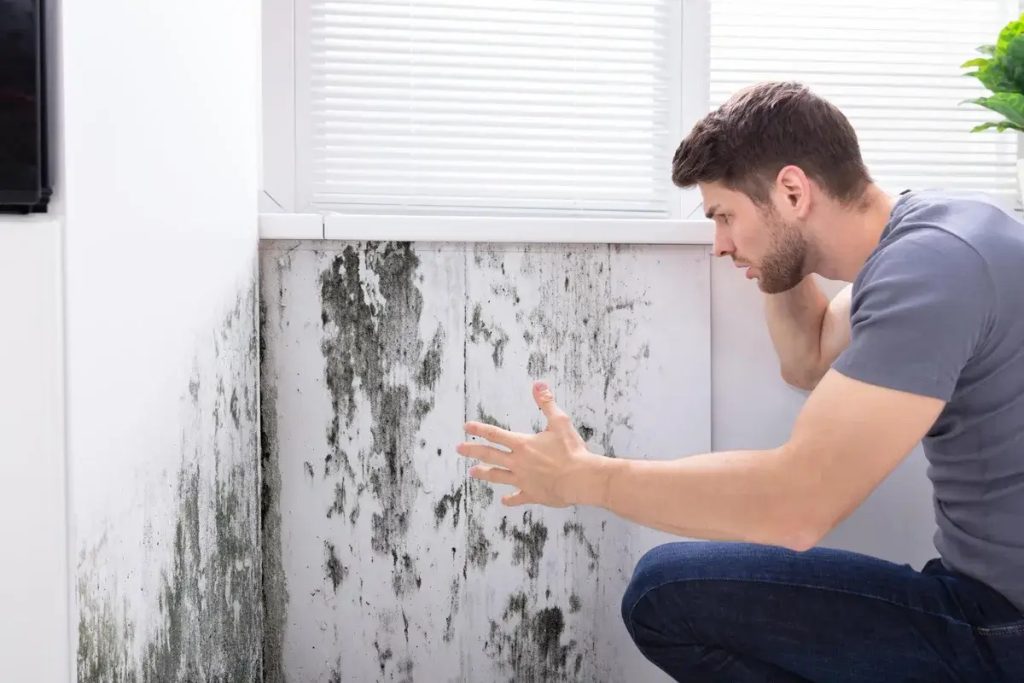
Mold can take hold in your home in less than 48 hours after a pipe leaks or a heavy Kansas City rainstorm. Nearly 47% of homes in the United States have some level of mold growth hiding behind walls or under floors.
In this blog, we will help you identify common mold problems before they turn into a massive repair bill. You will learn where mold likes to hide in local homes and how a professional inspection keeps your family safe. By the end, you will know exactly what to look for when touring a new property in the Midwest.
The Hidden Dangers of Kansas City Humidity
Living in the Midwest means dealing with wild weather swings and thick humidity. When the air gets heavy in the summer, your home acts like a sponge for moisture. This creates the perfect environment for spores to land and start a colony on your drywall or wood framing.
Most people do not realize they have a problem until they notice a faint, earthy smell. By that point, the mold has likely been growing for weeks or even months. Catching these common mold issues in homes early is the only way to prevent structural damage.
Kansas City often experiences rapid spring snowmelt, which places immense pressure on foundations. This water finds the tiniest cracks and seeps into your living space. Once that moisture is trapped behind a finished basement wall, mold starts to thrive in the dark.
Why Basements Are Hotspots for Mold
Basements are the most common places where we find mold problems during a standard inspection. Since many homes in our area are built on heavy clay soil, water does not always drain away quickly. Instead, it sits against the foundation and pushes inward through a process called hydrostatic pressure.
If you have a finished basement, you might not see the water coming in at all. It often wicks up through the bottom of the studs and the backside of the baseboards. This leads to a hidden forest of mold that releases spores into your HVAC system and spreads through the house.
- Look for dark spots along the bottom of the walls.
- Check for a chalky white substance called efflorescence on concrete.
- Watch for baseboards that feel soft or look warped.
- Sniff the air for a musty scent that never goes away.
Attic Issues and Poor Ventilation
While most people look down at their basements, the attic is another primary source of trouble. Proper airflow is vital to keeping a roof dry and cool. When vents are blocked by insulation or debris, heat and moisture get trapped right under the roof deck.
In the winter, warm air from your kitchen or shower can leak into the attic space. When it hits the cold roof, it turns into frost or liquid water. This cycle of wetting and drying causes black mold to spread across the plywood.
The EPA guide on moisture and mold explains that controlling dampness is the most important part of home maintenance. If your attic is not breathing, your house is at risk. A quick check of your soffit vents can save you thousands in roof repairs down the road.
Identifying Foundation Leaks and Sump Pump Failures
A working sump pump is your first line of defense against common mold issues in homes. In Kansas City, these pumps work overtime during the stormy season to keep the water table below your floor. If the pump fails during a power outage, your basement can fill with several inches of water in minutes.
Even a small amount of standing water can cause a catastrophe if it is not dried out immediately. Water travels under carpet pads and gets sucked into the porous core of your drywall. If the drying process takes longer than two days, mold growth is almost certain.
Foundation cracks are another entry point that homeowners often ignore. A hairline crack might not seem like a big deal until a week of heavy rain turns it into a waterfall. Sealing these cracks from the outside is a vital step in keeping your indoor air clean.
Bathrooms and Kitchens: The Daily Moisture Source
We use a lot of water in our daily routines, and all that steam has to go somewhere. If your bathroom fan is weak or vented into the attic instead of outside, you are asking for trouble. Mold often starts on the ceiling or inside the vanity cabinet, where pipes might be slowly leaking.
Kitchen sinks are another common area where we find mold problems during inspections. A tiny leak in a drain line can go unnoticed for years because it is hidden behind cleaning supplies. Over time, that small drip rots the cabinet floor and creates a massive mold colony. To prevent mold growth, you must:
- Run your bathroom fan for at least 20 minutes after every shower.
- Check under your kitchen and bathroom sinks once a month for dampness.
- Make sure your dryer vent is tightly connected and clear of lint.
- Ensure your dishwasher is not leaking onto the floorboards behind the unit.
Health Risks You Should Not Ignore
Living with mold is not just a house problem; it is a health problem. The CDC provides clear information on how mold exposure affects the human body. For many people, it leads to stuffy noses, red eyes, or wheezing that worsens at home.
People with asthma or allergies are especially sensitive to the spores that mold releases into the air. In some cases, long-term exposure can lead to more serious lung infections. Keeping your home dry is the best way to ensure your family stays healthy year-round.
If you notice that your family feels better when they are away on vacation, your house might be the culprit. Professional inspectors use specialized tools to find moisture that the naked eye cannot see. This helps you address the root cause rather than just cleaning the surface.
What to Do If You Find Mold
If you find a patch of mold larger than a few square feet, it is usually best to call in a professional. Spraying it with bleach often does more harm than good because bleach is mostly water. Water can soak into the wood and feed mold roots deep within the material.
Real-world stories from the 2011 Joplin tornado recovery showed how quickly mold can take over and eat away drywalls. While that was an extreme case, it taught us that fast action is the only way to save a structure. You have to stop the water source first, or the mold will just keep coming back.
The first step for any homeowner is to identify exactly where the moisture is coming from. This could be a leaky window, a damaged roof shingle, or a pipe that drips only when the upstairs tub is full. Once the leak is plugged, you can safely remove the damaged materials and clean the area.
Protect Your Investment for the Long Haul
Buying a home is the biggest investment most people ever make. You do not want to find out after closing that your new basement is a breeding ground for fungi. Identifying common mold problems before you sign the paperwork gives you the power to negotiate repairs.
A thorough look at the grading around the house can also prevent future issues. You want the ground to slope away from the walls so rainwater moves toward the street. Small changes to your landscaping can be the difference between a dry home and one with mold.
Keeping a close eye on your humidity levels with a cheap hygrometer is a smart move. Aim to keep your indoor humidity between 30% and 60% to prevent mold growth.
Gett a Clear Picture of Your Home’s Health
Understanding the common mold problems in your region helps you stay one step ahead of property damage. Whether you are buying a new home or maintaining your current one, staying vigilant about moisture is key. A dry home is a happy, healthy, and valuable asset.
If you are ready to get a professional look at a property, Homerun Certified Inspections is here to help. We are a professional home inspection company that knows exactly where mold hides in Kansas City homes. Give us a call to ensure your next move is a safe one for your family and your finances.


